


Ethiopia’s parliament passed a comprehensive Solid Waste Management and Disposal Proclamation (Proclamation No. 1383/2025, Article 13) that includes a nationwide ban on single-use plastics. Lawmakers approved the revised proclamation on 8 June 2025, repealing the 2007 waste-management law and establishing stricter controls on manufacture, import, distribution, and use of single-use plastic items. The proclamation was published in the Federal Negarit Gazette and entered into force later in 2025 as part of the government’s broader waste-management reforms, and came into effect earlier this year.
Global plastic production and waste have grown dramatically over recent decades; annual global plastic waste generation is measured in the hundreds of millions of tonnes per year. Recent data show global plastic waste generation at roughly 360 million metric tons per year, a figure that has increased more than sevenfold since the 1970s. Packaging, much of it single-use, accounts for a very large share of that waste. Packaging is estimated to represent around 40% of the world’s plastic waste, making single-use packaging one of the primary drivers of the plastic crisis.
Recycling rates for plastic packaging remain low globally; only a small single-digit percentage of packaging is effectively recycled, leaving the vast majority to be incinerated, landfilled, or mismanaged. Recent reports put global recycling of plastic packaging at roughly 9% (with wide regional variation).
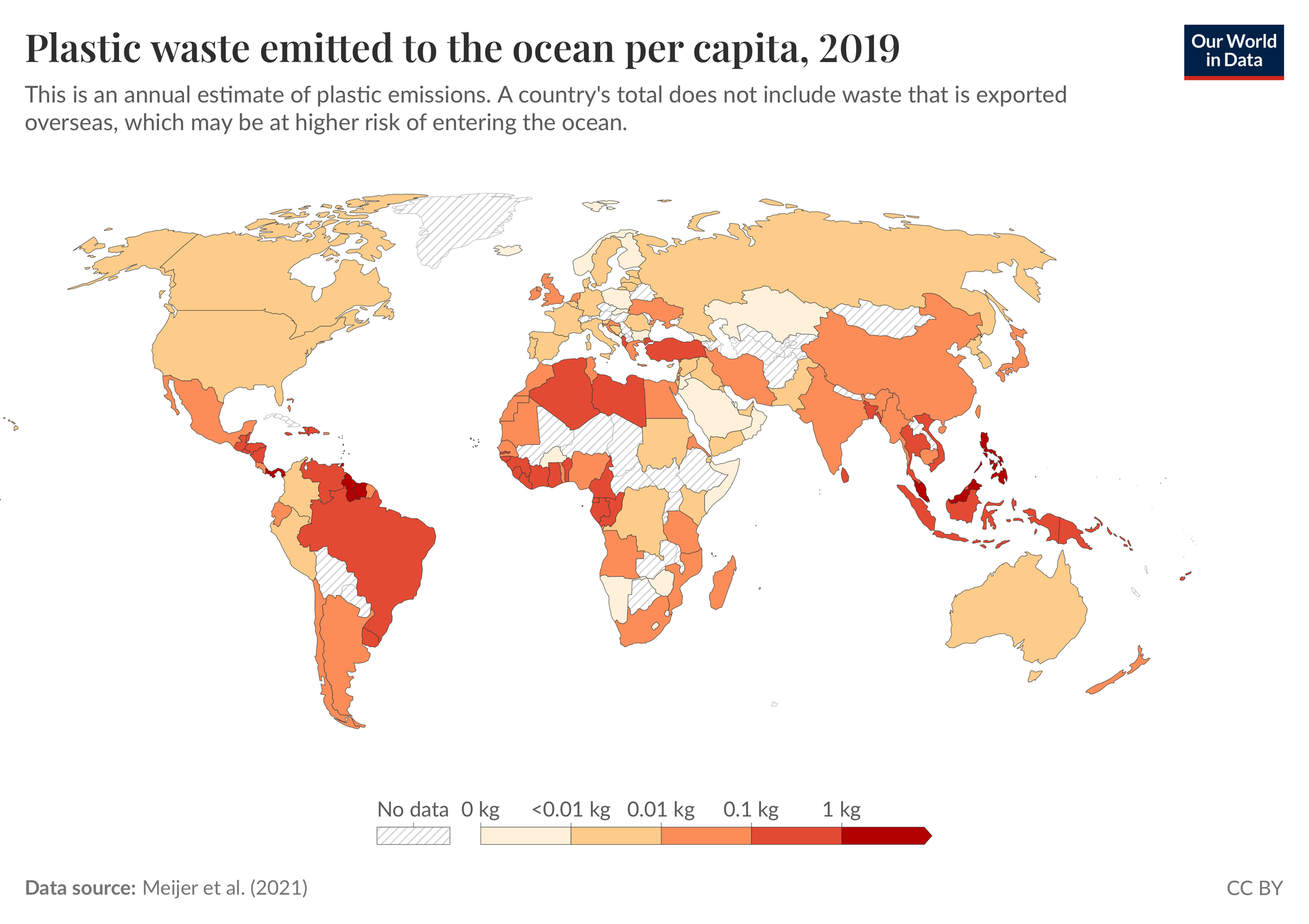
As a landlocked country, Ethiopia’s single-use plastics are more likely to accumulate in urban dumps, riversides, agricultural land, and informal disposal sites rather than washing directly into the ocean. That means the immediate harms are to soil quality, freshwater systems, urban drainage (increasing flood risk), and public health, and some plastics can still travel downstream across borders and eventually reach coastal systems.

Plastic ending up in our oceans has significant impact on the ecosystem.
- Wildlife impacts: Hundreds of marine and terrestrial species ingest or become entangled in plastic debris; ingestion can cause starvation, internal injury, and reduced reproductive success.
- Microplastics and food chains: As plastics fragment, microplastics enter soils, freshwater, and marine food webs, raising concerns about chemical exposure and human dietary intake.
- Greenhouse gas emissions: Plastic production and degradation contribute to greenhouse gas emissions across the lifecycle from fossil feedstocks to incineration.
Why the ban matters!
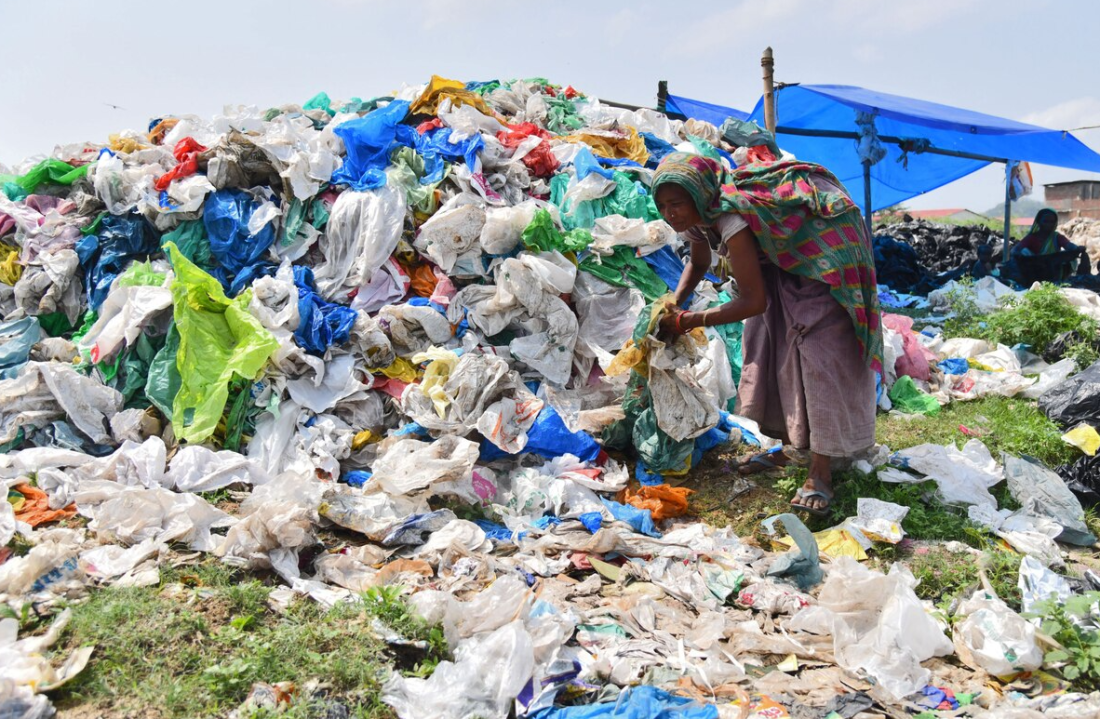
Protecting rivers and urban environments: Ethiopia’s ban directly targets the items that most commonly clog drains, pollute rivers, and fill informal dumps. By reducing single-use items at source, the law helps prevent the cascade of harms that include urban flooding, river contamination, and soil degradation—that follow from mismanaged disposable plastics.
Alignment with riverside and urban renewal projects: The ban complements government investments in riverside restoration and urban green spaces by reducing the inflow of plastics into our rivers, improving water quality, and making public spaces safer and more attractive.
Economic and innovation opportunities: Phasing out single-use plastics creates market space for:
- Reusable systems (refill stations, durable packaging),
- Biobased and compostable alternatives, and
- Local recycling and material-recovery enterprises.
These sectors can generate jobs across manufacturing, collection, sorting, and product design, especially if the government couples the ban with incentives, procurement preferences, and support for small and medium enterprises (Teki paper bags is one example.
Implementation Challenges and What Success Will Require
- Enforcement and alternatives — Bans are effective when paired with affordable, accessible alternatives and clear enforcement mechanisms.
- Waste-management capacity — Investments in collection, sorting, and safe disposal are needed so that remaining plastics are managed without shifting harm to informal workers or communities.
- Public engagement — Behavior change campaigns, producer responsibility schemes, and support for local innovators help ensure the ban reduces pollution rather than simply displacing it.
- Strengthen collection and recycling — Invest in formalized collection systems and material-recovery facilities to create circular value chains.
- Monitor and report — Establish transparent metrics for plastic reduction, recycling rates, and environmental outcomes.
Ethiopia’s ban on single-use plastics is a decisive policy step that addresses a major source of the global plastic problem, while responding to local realities of riverside pollution, overflowing dumps, and urban drainage challenges.
The law’s success will depend on enforcement, investment in alternatives and waste infrastructure, and partnerships with international organizations and local innovators. If implemented well, the ban can protect ecosystems, support riverside renewal projects, and catalyze new green jobs and industries across Ethiopia.
More on the global efforts to clean our oceans and curb plastic pollution:
The Ocean Cleanup — technology and research focused on removing plastics from ocean gyres and preventing river inputs.
Plastic Bank — social-enterprise model that incentivizes collection and recycling through community payments.
WWF and Greenpeace — advocacy, research, and campaigns to reduce single-use plastics and push corporate commitments.


Member discussion